April 4, 2026
Keeping a swimming pool in optimal condition requires timely repairs and routine maintenance. While some issues are minor enough for a homeowner to handle, others demand the expertise of a professional. Whether you're dealing with a leak, a pump problem, or a heater malfunction, each issue presents its own unique challenges. Understanding your pool's needs not only prolongs its lifespan but also enhances the safety and enjoyment of this valuable home feature.
Detect and Repair Pool Leaks
Early leak detection can save homeowners significant time and frustration. Monitor water levels regularly, since a sudden drop is often the first warning sign. A simple bucket test — placing a water-filled bucket on a pool step and comparing evaporation rates — can help confirm whether water loss is from leakage or natural evaporation. Checking surrounding areas for dampness or erosion and using dye tests near suspected spots can further pinpoint problem areas in liners or plumbing.
Pool leaks commonly stem from structural issues or hardware failures. Cracks in the shell caused by shifting or settling ground are frequent culprits, as are eroding plumbing lines and loose fittings. Skimmers and pumps can also develop cracks from continuous vibration, and wear on older liners often leads to noticeable water loss. For minor issues, patch kits, silicone-based fillers, or leak sealants added directly to the water can serve as temporary fixes while you plan next steps.
When DIY methods fail to reduce water loss or structural cracks become visible, it's time to call a professional. Experts use specialized diagnostic equipment to locate and resolve pool repairs efficiently, helping prevent further damage to your property's infrastructure. Acting early also protects against compounding problems like ground instability and elevated water bills.
Recognize and Resolve Pump and Motor Issues
Pumps are essential to pool circulation and must run smoothly to keep water clean and balanced. Warning signs of pump trouble include unusual grinding or screeching noises, a noticeable drop in water flow, visible air bubbles, or an unexplained spike in your electricity bill. Catching these symptoms early minimizes the need for more extensive pool repairs down the line.
Routine maintenance goes a long way toward extending pump and motor life. Cleaning pump baskets, maintaining proper water levels, tightening electrical connections, lubricating moving parts, and periodically verifying motor alignment all help prevent premature wear. Worn seals can cause leaks that reduce pump efficiency, while failing bearings tend to produce noticeable noise that requires prompt attention. Homeowners with experience may feel comfortable replacing these components themselves, but professional service ensures reliability.
When routine fixes don't restore normal operation, professional evaluation is essential. Pumps that vibrate excessively may have mounting or installation problems, and strange noises can point to degraded impellers or blocked components. Professionals can perform comprehensive diagnostics and targeted pool repairs to extend pump life and prevent potential safety hazards.
Clean and Fix Filter System Problems
Pool filters keep water clear and safe, and each type comes with its own set of common issues. Sand filters can develop channeling that allows debris to pass through unfiltered, while cartridge filters need periodic replacement to maintain performance. Diatomaceous earth filters require thorough backwashing to function effectively. Understanding your filter type is the first step toward proper maintenance and problem-solving.
According to HomeLight, pools are found in roughly 8% of single-family homes across the United States, making proper filtration maintenance a widespread priority for homeowners. Regular backwashing of sand and DE filters eliminates trapped debris and sustains water clarity. Cartridge filters should be removed and rinsed thoroughly with a hose. Low filter pressure may result from clogs, piping issues, inadequate pump performance, or a faulty pressure gauge — all of which affect water quality if left unaddressed.
Advanced filter problems, such as malfunctioning components, complicated installation errors, or plumbing failures, require professional diagnosis and repair. Specialists can evaluate the full system, replace worn media or damaged parts, and restore proper function to ensure your water remains safe and clear.
Replace Cracked or Damaged Pool Tiles
Tile cracking and chipping can result from temperature fluctuations that cause expansion and contraction stress, settling ground beneath the pool, improper installation, or abrasive cleaning practices. Addressing tile damage promptly prevents it from spreading or signaling deeper structural issues.
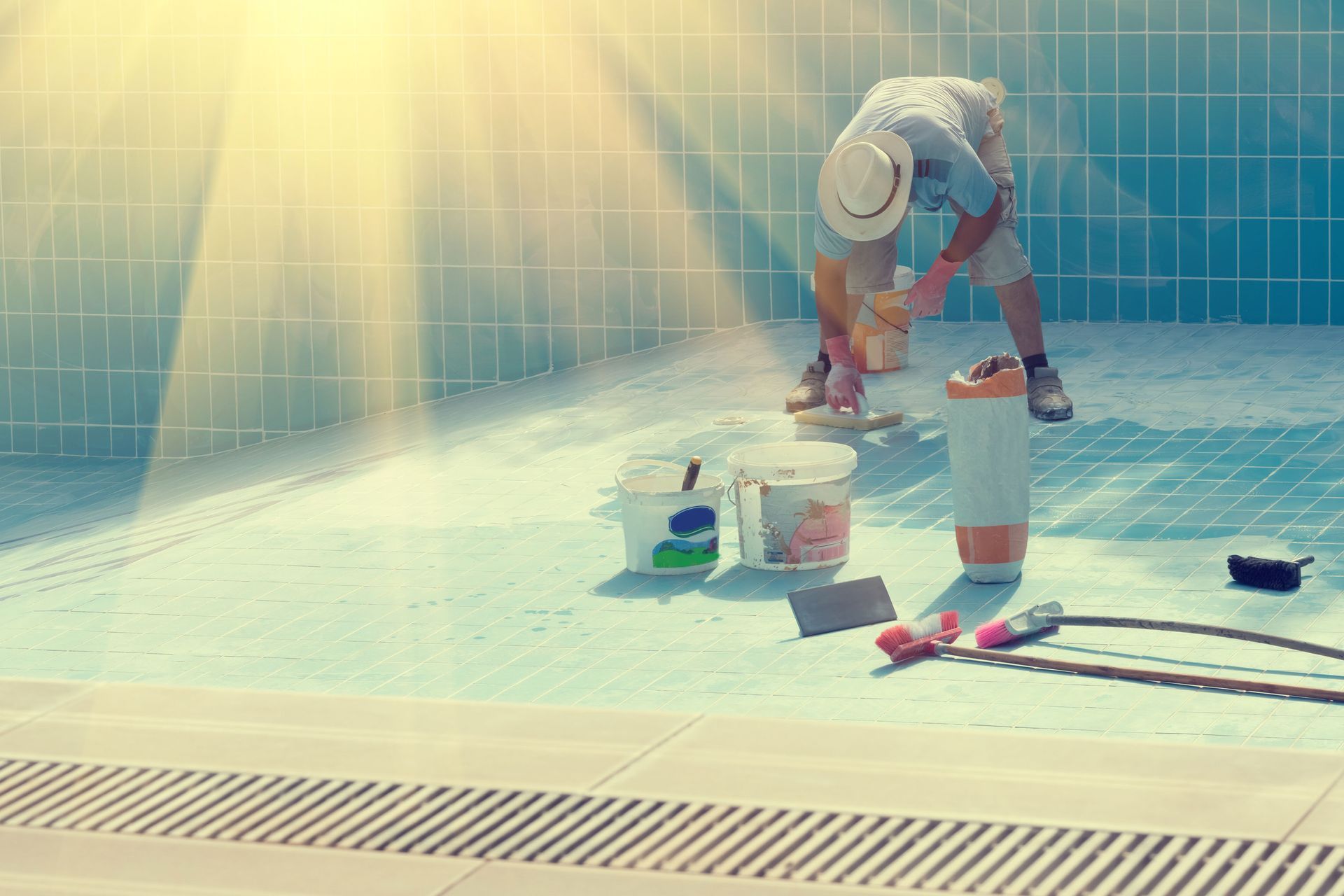
For minor tile pool repairs, homeowners can carefully remove damaged tiles, clean the surface thoroughly, and apply waterproof polymer-based or epoxy adhesives along with mold-resistant grout. Following the manufacturer's instructions for application and allowing adequate drying time are key to a lasting result. However, persistent or recurring tile damage may point to underlying structural problems that need professional evaluation before cosmetic repairs can hold.
Large-scale tile replacements, custom designs, or mosaic installations exceed most DIY skill levels and warrant professional involvement. Trained tile specialists bring the tools, materials, and experience needed to deliver durable, visually appealing results while addressing any structural concerns beneath the surface.
Troubleshoot and Fix Pool Heater Malfunctions
Pool heaters are essential for year-round enjoyment, and several common issues can affect their performance. Temperature fluctuations, a lack of heat, pilot light failures, inconsistent ignition cycles, sooty buildup, or unusual noise all indicate that something may be wrong. Periodic professional evaluations help catch these problems before they become more serious pool repairs.
Basic maintenance includes cleaning venting passages and air intake screens, inspecting electrical and gas connections, and examining heat exchangers for signs of corrosion. Thermostat accuracy is equally important — faulty sensors or control board issues can interfere with efficient temperature regulation and lead to inconsistent heating. Gas heaters most commonly face ignition or pilot light problems, while electric models tend to encounter resistance-related or connection issues.
When heater replacement or a complex installation is needed, professional involvement is essential. Technicians ensure accurate calibration, proper configuration, and consistent energy efficiency — protecting your investment and preserving reliable pool heating throughout the year.
Restore and Maintain Pool Surfaces
Pool surfaces vary by material, and each comes with distinct maintenance needs. Concrete is durable but requires regular upkeep to preserve its integrity. Vinyl is flexible and affordable, but can be vulnerable to tears from sharp objects. Fiberglass resists staining and scratching well, but can blister or fade over time due to resin issues. Identifying your surface material helps you respond to deterioration signs more effectively.
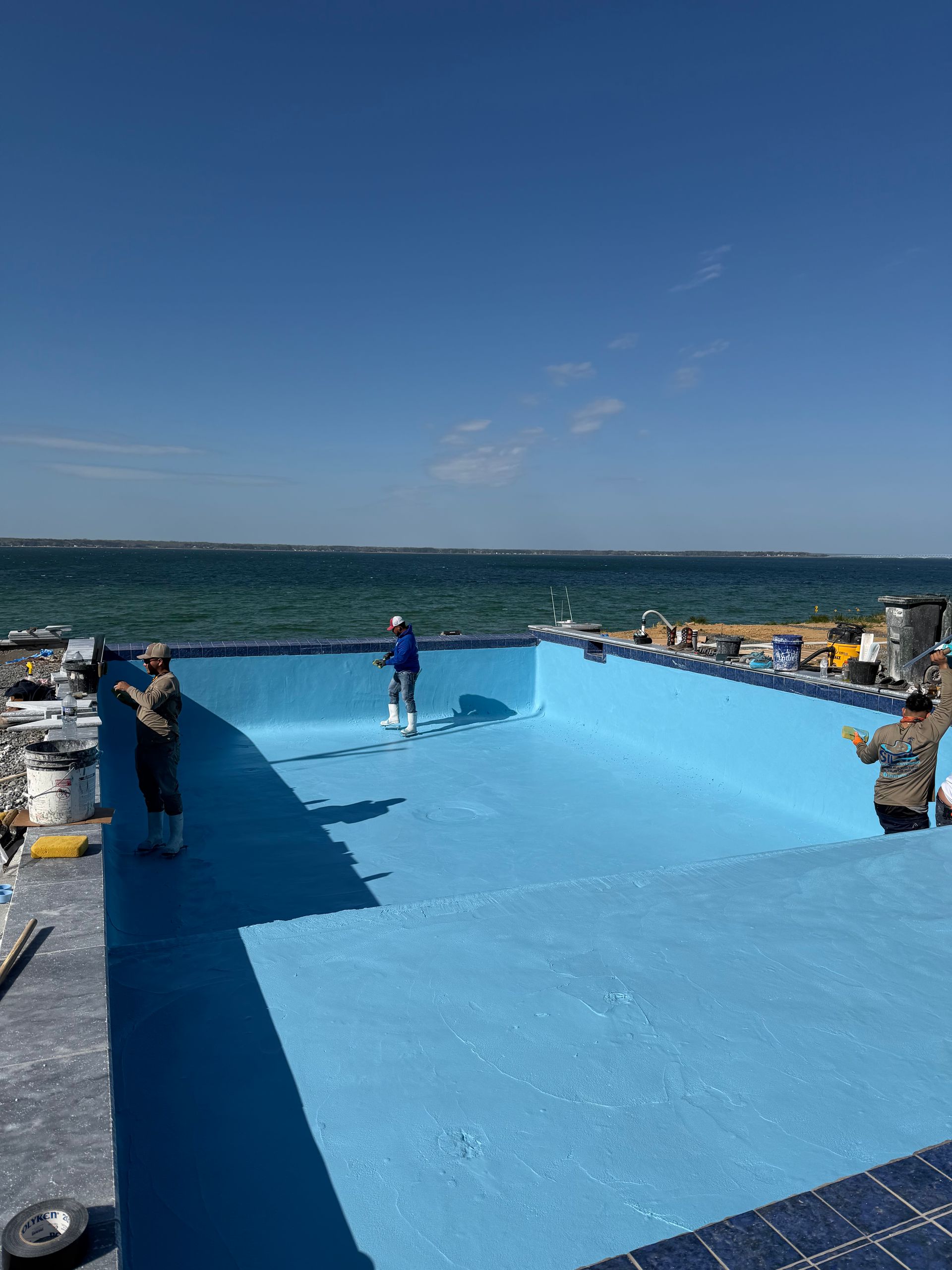
For minor surface pool repairs, homeowners can power wash the area, fill small cracks with epoxy or specialized sealant, and apply waterproof coatings to guard against further damage. Wrinkling or fading in vinyl, cracking in concrete, and blistering in fiberglass are all signs that resurfacing may be needed. Catching these early prevents escalation into much larger repair projects.
Comprehensive resurfacing requires professional expertise to ensure durable, long-lasting results. Professional teams bring modern equipment, material knowledge, and hands-on experience to restore surfaces safely and effectively — helping you enjoy a cleaner, more attractive pool for years to come.
Maintaining a pool means balancing proactive DIY care with knowing when to bring in professional help. Addressing small issues early prevents them from growing into larger, more disruptive problems. A well-maintained pool enhances both the safety and the pleasure of your outdoor space for the whole family.
If you are ready for expert help with your pool repairs, contact us at Sublime Pools RVA today. We will help you keep your pool in peak condition all season long.